

Choosing between hung windows and casement windows is one of the most common decisions homeowners face during a window replacement project. Both are excellent options, but they serve different needs depending on your home’s layout, your climate, and how you want your windows to function.
Here’s a straightforward comparison to help you decide.
How Hung Windows Work
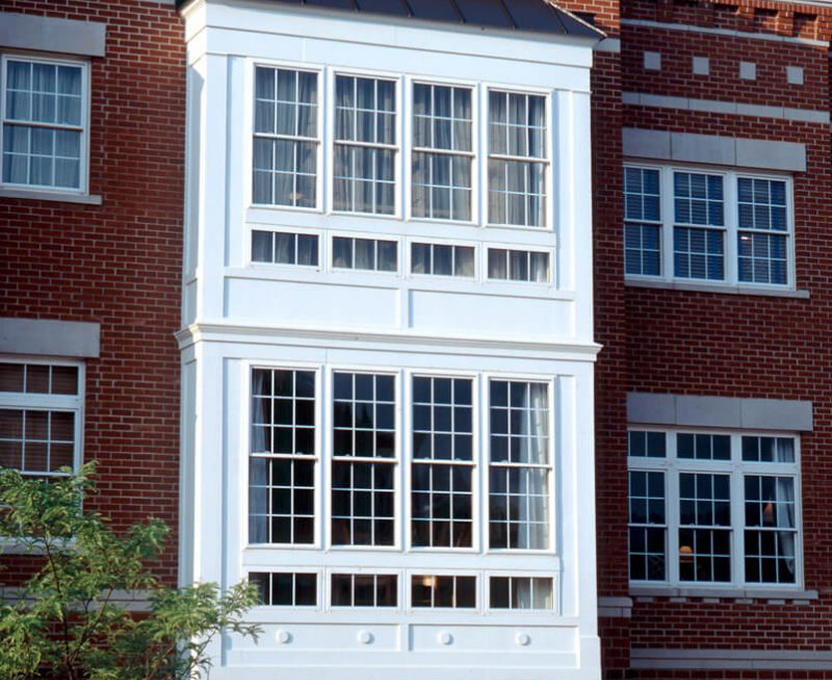
Hung windows (also called double hung windows) have two sashes that slide vertically within the frame. In a single hung window, only the bottom sash moves. In a double hung, both the top and bottom sashes operate independently.
Key features of hung windows:
– Tilt-in sashes for easy cleaning from inside your home
– Positive interlocking rail system for a tight seal between sashes
– Triple high-fin weather stripping to reduce air infiltration
– Dual flip-lock hardware with coil balance for smooth, reliable operation
– Available in custom architectural shapes including arch-tops, round-tops, and rake-heads
Hung windows are the most popular window style in residential homes across Oklahoma, Texas, and Kansas. They’re familiar, versatile, and work in virtually any room.
How Casement Windows Work
Casement windows are hinged on one side and swing outward using a crank operator. When closed, they press tightly against the frame, creating a compression seal that is among the most airtight of any window style.
Key features of casement windows:
– 7/8″ or 1″ glazing options for superior insulation
– Single or dual arm operators for smooth, controlled opening
– Multi-point locking system with snubber for enhanced security
– Triple seal design for best-in-class air and water resistance
– Ideal for hard-to-reach locations where sliding a sash isn’t practical
Casement windows are often chosen for kitchens (above counters or sinks), bathrooms, and areas where maximum ventilation is desired.
Side-by-Side Comparison
Energy Efficiency
Casement windows have a slight edge here. Their compression seal, created when the sash presses into the frame as it closes, creates one of the tightest seals available. Hung windows with modern weather stripping and interlocking rails are also highly efficient, but the sliding mechanism means there’s inherently a small path for air movement between the sashes.
Winner: Casement (slight advantage)
Ventilation
Casement windows swing fully open, catching breezes and directing airflow into the room. They can actually channel wind into your home. Hung windows allow ventilation from the top, bottom, or both simultaneously, which creates a natural convection current — warm air exits the top while cooler air enters the bottom.
Winner: Tie (different strengths)
Ease of Cleaning
Double hung windows with tilt-in sashes are hard to beat for cleaning convenience. You can tilt both sashes inward and clean the exterior glass from inside your home. Casement windows swing outward, so cleaning the outside is typically done from the exterior unless you can reach through.
Winner: Hung windows
Security
Casement windows feature multi-point locking systems that engage at multiple points along the frame, making them very difficult to force open from outside. Hung windows use dual flip-lock hardware, which is effective but engages at fewer points.
Winner: Casement
Aesthetics and Style
Hung windows offer a traditional, classic appearance that suits most architectural styles, from colonial to craftsman to modern ranch homes. Casement windows provide a cleaner, more contemporary look with unobstructed glass views when closed. Both can be customized to match your home.
Winner: Depends on your home’s style
Durability in Oklahoma, Texas, and Kansas Weather
Both window types hold up well when constructed with quality vinyl compounds resistant to temperature extremes. The key in this region is the glazing and seal quality rather than the operating style. Look for Low-E coatings, argon gas fill, and proper weather stripping regardless of which type you choose.
Winner: Tie (material quality matters more than style)
When to Choose Hung Windows
– You want the most versatile, universally compatible window style
– Easy interior cleaning is a priority
– You prefer a traditional look
– You’re replacing windows throughout the home and want consistency
– Budget is a consideration, hung windows are typically the most cost-effective option
When to Choose Casement Windows
– Maximum energy efficiency is your top priority
– You want to capture airflow and ventilation
– The window is above a counter, sink, or in a hard-to-reach location
– Enhanced security is important
– You prefer a clean, modern aesthetic
Can You Mix Both?
Absolutely. Many homeowners across Oklahoma, Texas, and Kansas use hung windows for most of the home and casement windows in specific locations like kitchens, bathrooms, or feature walls. When built by the same manufacturer using matching materials and colors, they blend seamlessly.
The Right Choice for Your Home
The best window is the one that fits your space, your lifestyle, and your climate. Progressive Windows & Doors manufactures both System 700 hung windows and high-performance casement windows — all custom-built in Oklahoma to your exact specifications.
Contact Progressive Windows & Doors at (877) 227-9915 to discuss which window styles work best for your home.